Why must rooftop solar systems for self-consumption be registered with EVN?
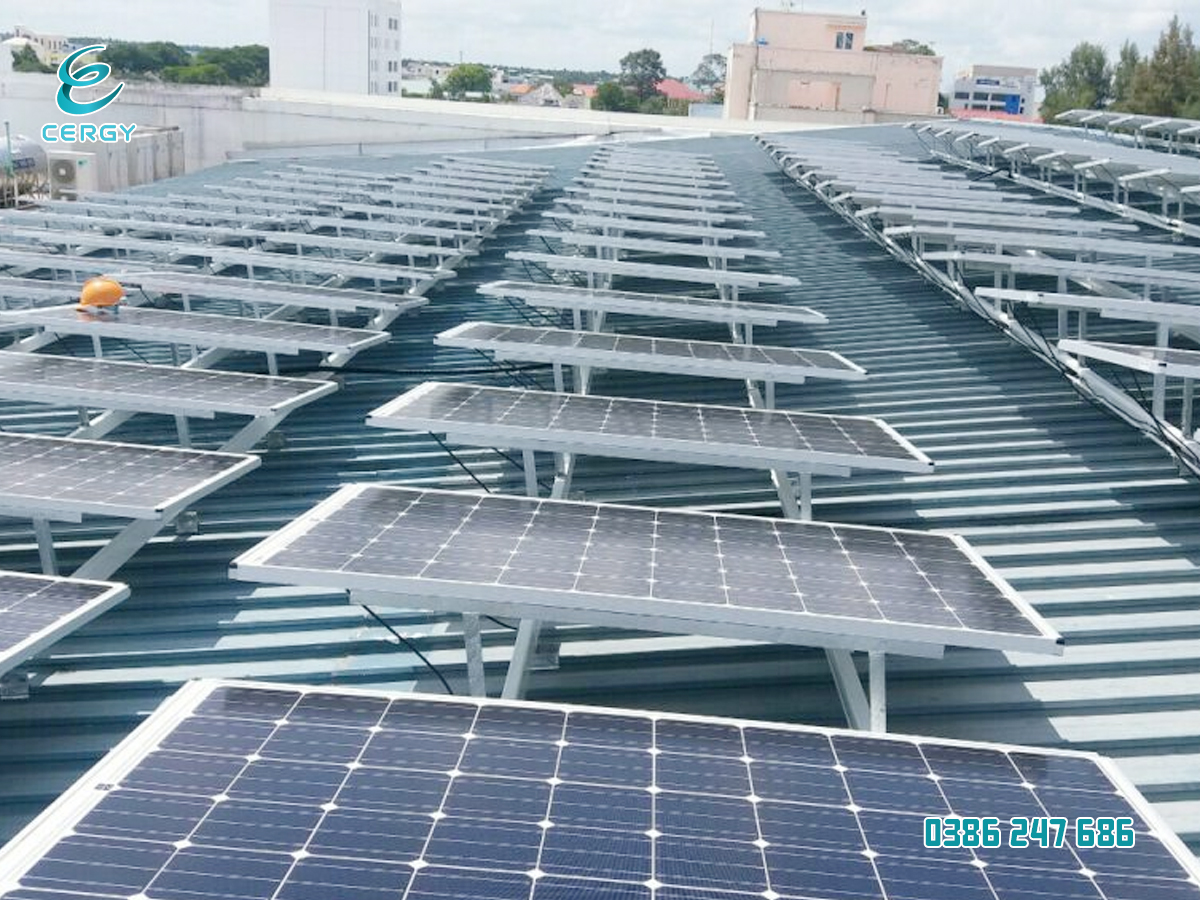
As electricity costs continue to rise and the trend toward green energy grows stronger, investing in solar power systems has become a smart choice for households, businesses, and production facilities. Cergy explains why even rooftop solar systems designed for self-consumption still need to be registered with EVN. Learn the reasons, legal requirements, and insights from experts and the public.
According to a new proposal from Vietnam Electricity (EVN), households and organizations that install rooftop solar systems for self-production and self-consumption but fail to register or notify the authorities may face administrative penalties.
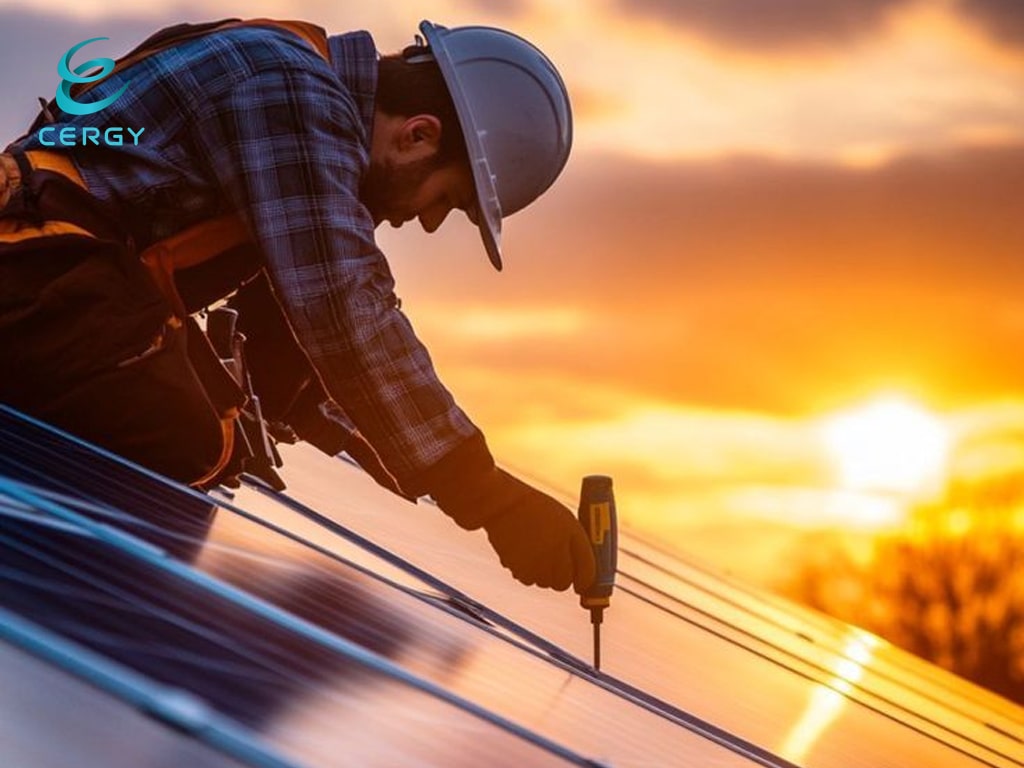
How to calculate solar system capacity
Why is registration of rooftop solar self-consumption systems required?
1. Ensuring electrical safety and fire protection
Notification helps EVN and regulators collect accurate data, provide technical guidance, and monitor installations. This reduces risks such as:
-
Reverse current into the grid, causing system failures.
-
Local overloads, potentially leading to fires or explosions.
-
Systems that fail to meet safety standards.
2. Load management and grid balance
A few households may not significantly impact the system. However, if millions of households install without registration, the national grid could face severe fluctuations:
-
Sunny days: reduced grid demand → excess supply.
-
Stormy or rainy days: households rely on the grid again → power shortages.
This forces the electricity sector to constantly maintain backup capacity, creating pressure on the system.
3. Data collection and energy policy planning
Registration provides the government with accurate statistics, enabling:
-
Rational allocation of renewable energy resources.
-
Environmental management and risk reduction.
-
Long-term policy support for solar power development.
Community perspectives
Many readers agree that registration is necessary but point out that current procedures remain cumbersome.
According to Decree 58/2025, households installing rooftop solar systems for self-consumption must notify:
-
Department of Industry and Trade
-
Local electricity unit
-
Construction management authority
-
Fire prevention and fighting authority
Some argue that only local electricity providers should act as a single contact point, then coordinate with other agencies to reduce the burden on citizens.
Legal gap and EVN’s proposal
Under Decree 58/2025 of the Government on renewable energy development, organizations, individuals, and households developing rooftop solar systems for self-consumption must notify the Department of Industry and Trade, electricity units, construction regulators, and fire prevention authorities for management, monitoring, and guidance.
In practice, however, many households (especially families) have not taken the initiative to notify. In some cases, electricity units provided guidance, but households either did not cooperate or failed to submit proper documentation.
Currently, Decree 58 does not specify whether failing to notify constitutes a violation, leading to confusion in enforcement.
Therefore, EVN has proposed adding new regulations:
-
Organizations and individuals who install rooftop solar systems for self-production and self-consumption without notification or registration will be subject to administrative penalties in the electricity sector.
This proposal aims to strengthen regulatory effectiveness, ensure grid safety, and at the same time encourage renewable energy development within a legal framework.
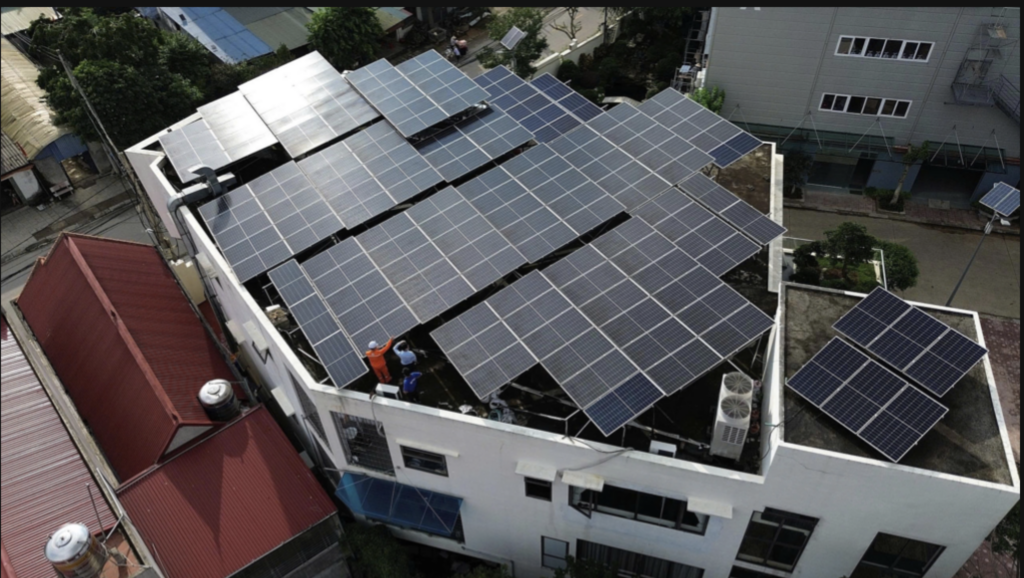
Cergy’s perspective
As a company in the solar energy sector, Cergy believes registration is a necessary step for sustainable system development. However, procedures should be streamlined and more transparent, for example:
-
Only local electricity providers should serve as a single contact point.
-
Digital platforms should allow citizens to register online.
-
Clear, practical technical guidelines should be made available for households.
Conclusion
Registering rooftop solar self-consumption systems is essential for ensuring technical safety, managing grid loads, and supporting national energy policy. However, the process should be simplified to make it more convenient for citizens—encouraging renewable energy development while ensuring safe operation.
👉 Cergy will continue to update the latest information on policies, regulations, and solar power solutions to accompany customers, partners, and the clean energy community in Vietnam.
For detailed consultation, on-site surveys, or a quotation tailored to your needs and installation area, please contact us directly:
📞 Technical Hotline: 0386 247 686
🌐 Website: https://cergy.vn
📍 Cergy – Professional, efficient, and sustainable solar energy solutions for every project